


- Pharmacy & Health
- First Aid & Surgical Instruments
- Medical Equipment
- First Aid
- Food Supplement
- Shampoo, Shower Gel & Soap
- Allopathic Medicine
- Syrup
- Tablets & Medicine
- Capsules & Supplements
- Ointments & Creams
- Powder Health & Personal Care
- Eye Drops & Eye Ointments
- Pharma Pot, Bottle & Box
- Insulin & Diabetes Care
- Drugs & Animal Health
- Homeo Products
- Unani Products
- Pure Herbal











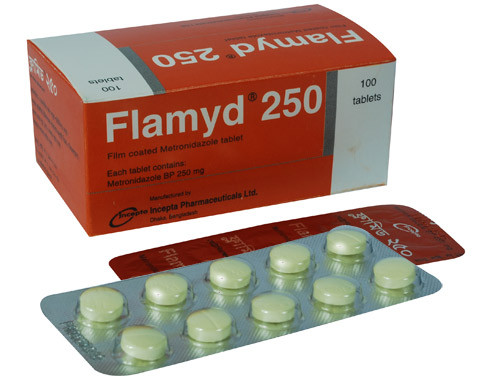
Generic
Metronidazole
Indications
Metronidazole is used to treat the following conditions:
- Prevent postoperative infections caused by anaerobic bacteria (especially anaerobic Bacteroides and streptococci).
- reatment of sepsis, bacteremia, peritonitis, brain abscess, pelvic abscess, pelvic cellulitis, and postoperative wound infection caused by anaerobic bacteria.
- Treatment of genitourinary trichomoniasis.
- Bacterial vaginitis (also called nonspecific vaginitis).
- All forms of amebiasis (transmitted by intestinal and extraintestinal diseases and asymptomatic cysts).
- Giardiasis.
- Acute ulcerative gingivitis.
- Leg ulcers and pressure sores with anaerobic infection.
- Acute tooth infection caused by anaerobic organisms.
- Antibiotic-related pseudomembranous colitis.
Pharmacology
Metronidazole is an antibacterial medication that belongs to the imidazole family and is used as an antiprotozoal agent. Anaerobes decrease the 5-nitro group of Metronidazole metabolically. Metronidazole's bactericidal effect is due to the reduced form of the antibiotic interacting with DNA, according to studies.
Dosage & Administration
Tablet and Suspension:
Trichomoniasis (Adults & Children over 10 yrs)-
- 200 mg tid or 400 mg bid for 7 days
- 800 mg in the morning and 1-2 gm at night for 2 days
- 2 gm as a single dose for 1 days
Trichomoniasis (Children)-
- Children 7-10 yrs: 100 mg tid
- Children 3-7 yrs: 100 mg bid
- Children 1-3 yrs: 50 mg tid
Intestinal amoebiasis (Adults & Children over 10 yrs)-
- 800 mg tid for 5 days
Intestinal amoebiasis (Children)-
- Children 7-10 yrs: 400 mg tid
- Children 3-7 yrs: 200 mg qid
- Children 1-3 yrs: 200 mg tid
Extra-intestinal & Asymptomatic amoebiasis (Adults & Children over 10 yrs)-
- 400-800 mg tid for 5-10 days
Extra-intestinal & Asymptomatic amoebiasis (Children)-
- Children 7-10 yrs: 200-400 mg tid
- Children 3-7 yrs: 100-200 mg qid
- Children 1-3 yrs: 100-200 mg tid
Giardiasis (Adults & Children over 10 yrs)-
- 2 gm once daily for 3 days
Giardiasis (Children)-
- Children 7-10 yrs: 1 gm once daily
- Children 3-7 yrs: 600-800 mg once daily
- Children 1-3 yrs: 500 mg once daily
Acute ulcerative gingivitis (Adults & Children over 10 yrs)-
- 200 mg tid for 3 days
Acute ulcerative gingivitis (Children)-
- Children 7-10 yrs: 100 mg tid
- Children 3-7 yrs: 100 mg bid
- Children 1-3 yrs: 50 mg tid
Acute dental infections (Adults & Children over 10 yrs)-
- 200 mg tid for 3-7 days
Bacterial Vaginosis (Adults & Children over 10 yrs)-
- 400 mg bid for 7 days
- 2 gm as a single dose for 1 days
Leg ulcers and pressure sores (Adults & Children over 10 yrs)-
- 400 mg tid for 7 days
Anaerobic infections (Adults & Children over 10 yrs)-
- 800 mg initially and then 400 mg tid for 7 days
Anaerobic infections (Children)-
- Children 1-10 yrs: 7.5 mg/kg tid
Surgical prophylaxis (Adults & Children over 10 yrs)-
- 400 mg tid started 24 hours before surgery for 1 days
Surgical prophylaxis (Children)-
- Children 1-10 yrs: 7.5 mg/kg tid
Vaginal Gel:
The recommended dose is one applicator full of Metronidazole gel (approximately 5 grams containing approximately 37.5 mg of Metronidazole) intravaginally once or twice a day for 5 days. For once a day dosing, Metronidazole gel should be administered at bedtime.
Suppository:
Anaerobic Infections-
- Adults: 1 g every 8 hours for 3 days, then 1 g every 12 hours.
- Children: 5-10 years: 500 mg every 8 hours for 3 days, then every 12 hours, Over 10 years adult dose.
Surgical Prophylaxis-
- Adults: 1 g 2 hours before surgery; up to 3 further doses of 1 g may be given every 8 hours for high risk procedures.
- Children: 5-10 years: 500 mg 2 hours before surgery; up to 3 further doses of 500 mg may be given every 8 hours for high risk procedures.
IV Infusion:
Metronidazole intravenous infusion requires no dilution and should not be mixed with any other drugs prior to administration.
- Adults and children over 12 years: Infuse 500 mg 8 hourly at a rate of 5 ml/minute and a maximum of 4 g should not be exceeded during a 24-hour period. Treatment for 7 days is sufficient for most patients, but treatment can be extended, especially for cases where reinfection is likely. For surgical prophylaxis, administration shortly before surgery should be followed by 8-hourly doses for the next 24 hours.
- Children under 12 years: 7.5 mg/kg body weight/day every 8 hours at a rate of 5 ml/minute.
Interaction
- Disulfiram: Patients taking metronidazole and disulfiram at the same time are reported to have psychotic reactions.
- Alcohol: Alcoholic beverages and drugs containing alcohol should not be consumed during treatment and for at least one day after treatment, as disulfiram-like reactions (anti-abuse effect) (flushing, vomiting, tachycardia) may occur. Oral anticoagulant therapy (warfarin type): increased anticoagulant effect, decreased liver catabolism and increased risk of bleeding. In the case of co-administration, prothrombin time should be monitored more frequently and anticoagulant therapy should be adjusted during treatment with metronidazole.
- Lithium: Metronidazole can increase plasma levels of lithium.
- Cyclosporine: When co-administration is required, serum cyclosporine and serum creatinine should be closely monitored.
- Phenytoin or Phenobarbital: Increased elimination of metronidazole leads to a decrease in plasma levels.
- 5-Fluorouracil: The clearance rate of 5-Fluorouracil is reduced, leading to an increase in the toxicity of 5-Fluorouracil.
- Busulfan: Metronidazole can increase the plasma concentration of busulfan, leading to severe busulfan toxicity.
Contraindications
Metronidazole is contraindicated in patients with a history of hypersensitivity to Metronidazole or other Nitroimidazole derivatives.
Side Effects
Metallic taste, nausea, vomiting, diarrhoea, drowsiness, rashes may be observed during treatment.
Pregnancy & Lactation
Metronidazole is classified as a pregnancy category B by the US Food and Drug Administration. However, no appropriate and well-controlled trials in pregnant women have been conducted. Because animal reproduction studies do not always anticipate human response, this medication should only be taken during pregnancy if absolutely necessary. Human milk has been found to contain metronidazole. When Metronidazole is given to a breastfeeding mother, care should be used.
Precautions & Warnings
If metronidazole must be given for a longer period of time than is typically suggested, it is recommended that hematological tests, particularly leucocyte counts, be performed on a regular basis and that patients be watched for adverse responses such as peripheral or central neuropathy (such as paresthesia, ataxia, dizziness, convulsive seizures).
Patients with hepatic encephalopathy should be given metronidazole with care.
Metronidazole might cause urine to discolor, therefore patients should be informed.
Therapeutic Class
Amoebicides, Anti-diarrhoeal Antiprotozoal
Storage Conditions
Keep it below 30°C. Protect yourself from the sun. Medicines should be kept out of the reach of youngsters. Do not use beyond the expiration date.
Related products

Ketoalfa 600mg 10pce
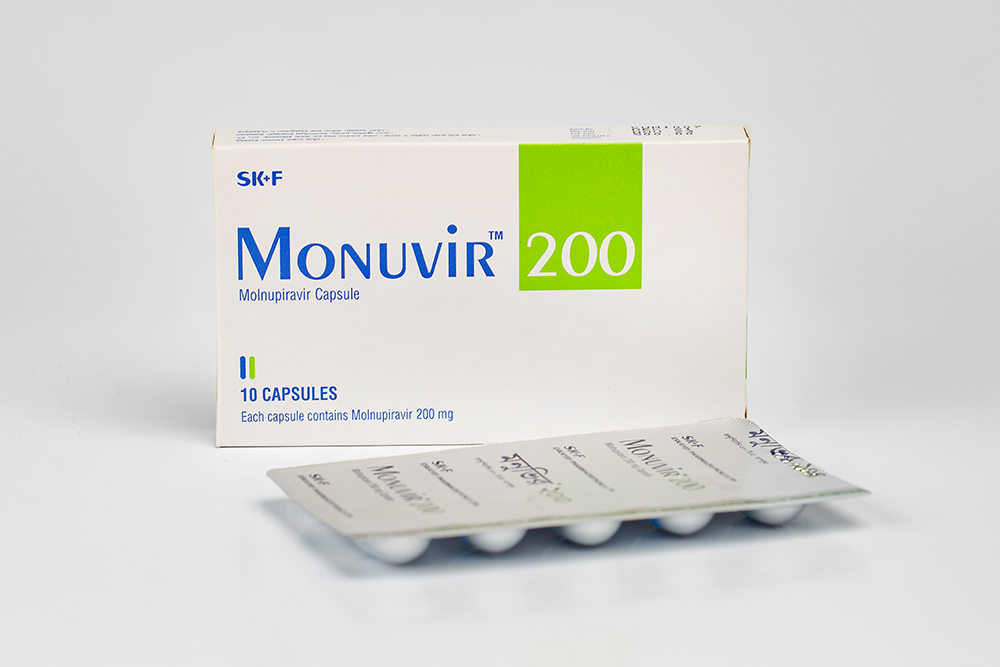
Monuvir 200mg
Amlopin Tablet 10 mg (10Piecs)

Neso 500mg 10pic
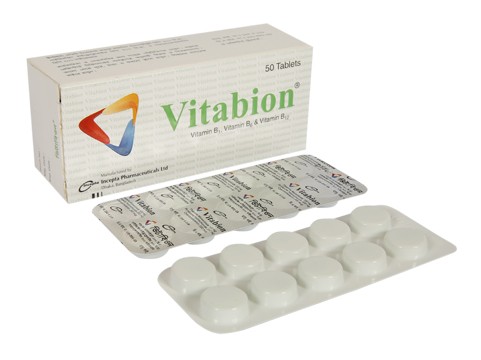
Vitabion Tablet – 10’s strip
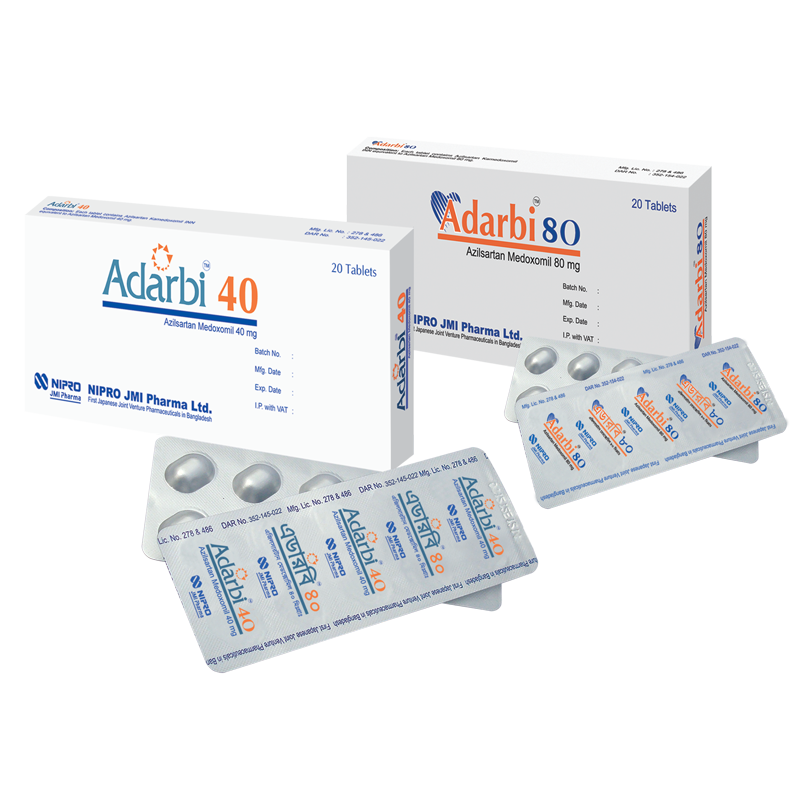
Adarbi Tablet 40 mg (10 tab)
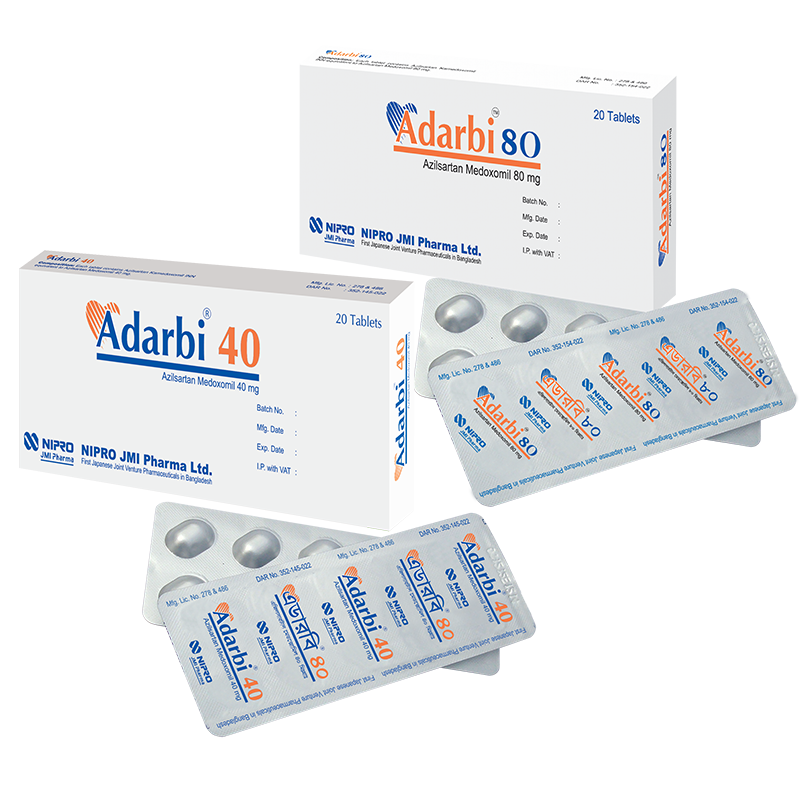
Adarbi 80mg 10pic
Duralax 5mg 20pic

Norry 3mg 10pic

Ligazid M (2.5 mg+850 mg) Tablet-6’s Strip
Ligazid 5 mg Tablet-10’s Strip
Ligazid M (2.5 mg+500 mg) Tablet-10’s Strip
Ligazid M (2.5 mg+1000 mg) Tablet-6’s Strip

Nepco 50mg 10pic
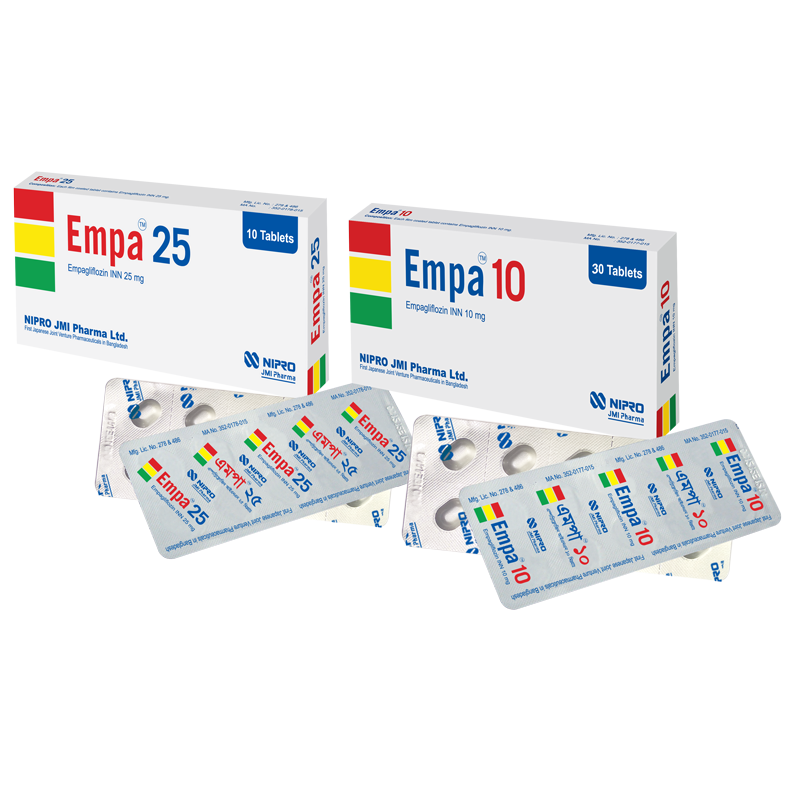
Empa 10mg Tablet (15pic)
Empa Tablet 25 mg (10pic)
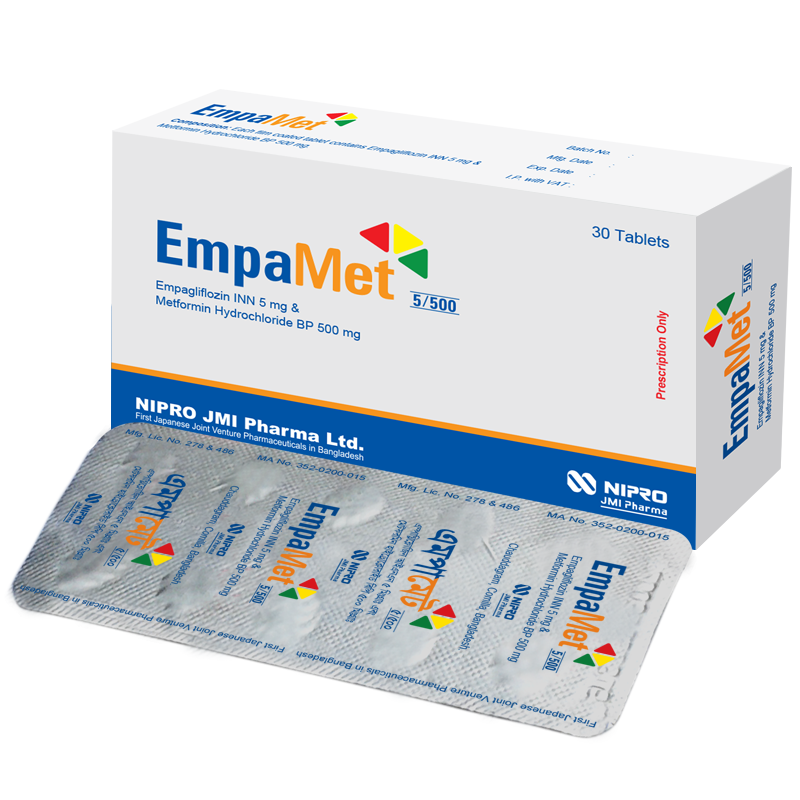
EmpaMet Tablet 5/500 mg (10pic)

Tofacit 5mg 10pic

Nexovas 10mg 10pic
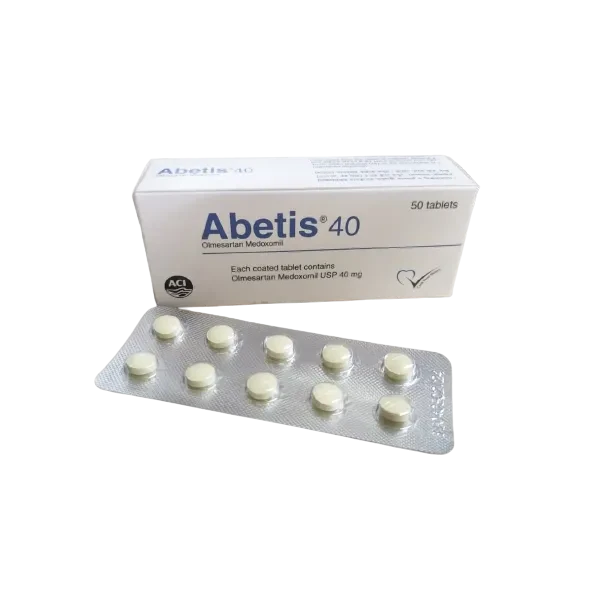
Abetis 40mg 10pic
Frequently Bought Together
No frequently bought products found!
Products from this Seller
View All
Hyvest Ultra Scrub Dish Wash

ASSURE FOOT CREAM

ASSURE Hair SPA 150gm

ASSURE Sun DEfense SPF 30+

Dentassure Whitening Toothpaste

Surgical Head Cap

Face Mask

Hexisol Hand Rub

U&Me Long Love Condom 3 piece

U&Me Long Love and Anatomic Condom (3 piece)
Sepnil Hand Sanitizer Spray (10ml)

Femina Antibacterial Sanitary Napkin (Panty System)

প্রাণ মশুর ডাল (দেশি)

এসিআই খাঁটি আটা

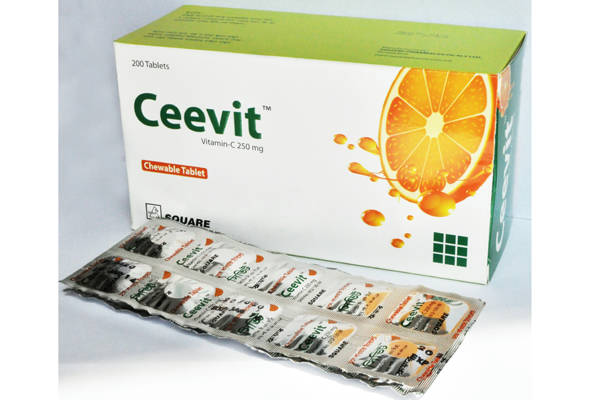
Ceevit 250
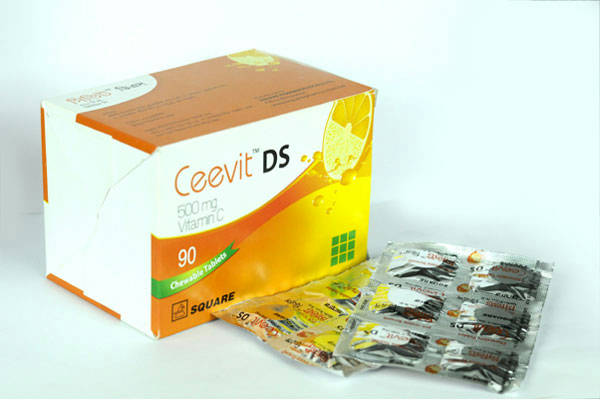
Ceevit DS


Dentassure Toothpaste

MShopBD (মজুমদার শপ) বাংলাদেশের একটি বিশ্বস্ত এবং জনপ্রিয় ই-কমার্স প্ল্যাটফর্ম। আমরা সাশ্রয়ী মূল্যে ১০০% কোয়ালিটিসম্পন্ন ফ্যাশন, লাইফস্টাইল, ইলেকট্রনিক্স এবং প্রিমিয়াম হার্বাল ও ন্যাচারাল পণ্য সরাসরি আপনার দোরগোড়ায় পৌঁছে দেই। গ্রাহকের সন্তুষ্টি ও পণ্যের গুণগত মান বজায় রাখাই আমাদের প্রধান লক্ষ্য। Fast Home Delivery, Secure Payments এবং Authentic Products-এর নিশ্চয়তা নিয়ে MShopBD এখন আপনার স্মার্ট শপিং পার্টনার।




Share with Friends
Trading is more effective when you share products with friends!Share you link
Share to